

History of World Sparrow Day
World Sparrow Day was first celebrated on 20th March 2010, emerging from a growing global concern over the rapid decline of sparrow populations—especially the House Sparrow, once one of the most familiar birds in urban landscapes. What began as a small conservation initiative soon transformed into a worldwide movement dedicated to protecting these tiny yet significant birds.
The idea was initiated by Nature Forever Society of India, founded by conservationist Mohammed Dilawar, in collaboration with the Eco-Sys Action Foundation (France) and other international partners. The goal was simple but powerful: to raise awareness about the disappearing sparrows and inspire communities to take practical conservation action.
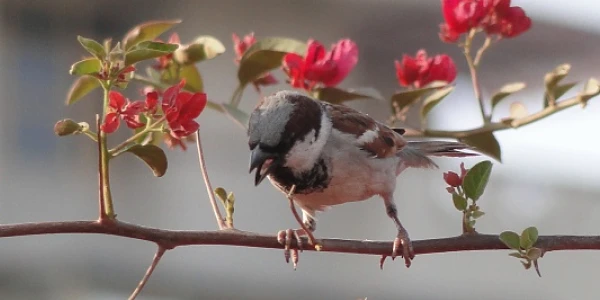

Over the years, World Sparrow Day has grown into a global campaign celebrated across countries through:
-
Awareness drives in schools and communities
-
Installation of nest boxes and bird feeders
-
Citizen-led conservation workshops
-
Social media campaigns and art initiatives
-
Research and discussions on urban biodiversity


The decline of sparrows has been linked to rapid urbanization, loss of nesting spaces, reduced availability of insects, pollution, and changing architectural styles. Recognizing sparrows as indicators of environmental health, World Sparrow Day highlights the importance of building cities that coexist with nature.
Today, the movement stands as a reminder that even the smallest species deserve attention and protection. By celebrating World Sparrow Day each year on March 20th, individuals, organizations, and governments renew their commitment to restoring habitats and ensuring that the cheerful chirping of sparrows remains part of our shared future.