Sparrows are more than just tiny birds flitting around our homes—they are powerful indicators of a healthy environment and a vital part of our everyday ecosystem. Once a common sight in cities and villages alike, sparrow populations have been steadily declining due to habitat loss, pollution, and the lack of nesting spaces and natural food sources. World Sparrow Day reminds us of the close bond humans share with these cheerful birds and the responsibility we carry to protect them. By creating bird-friendly spaces through native plants, clean water, and safe nesting areas, we can help bring sparrows back into our surroundings and ensure their familiar chirping continues to brighten our mornings for generations to come.
Below are a few species of sparrows found around the world:
Arabian Sparrow
The Arabian Sparrow (Passer euchlorus) is native to the Arabian Peninsula and prefers arid regions with sparse vegetation. It is well adapted to desert environments and is often found near oases and agricultural areas. This species feeds primarily on seeds and small insects, helping maintain ecological balance in harsh climates. Though locally common, habitat changes and expanding urbanization may impact its natural range.
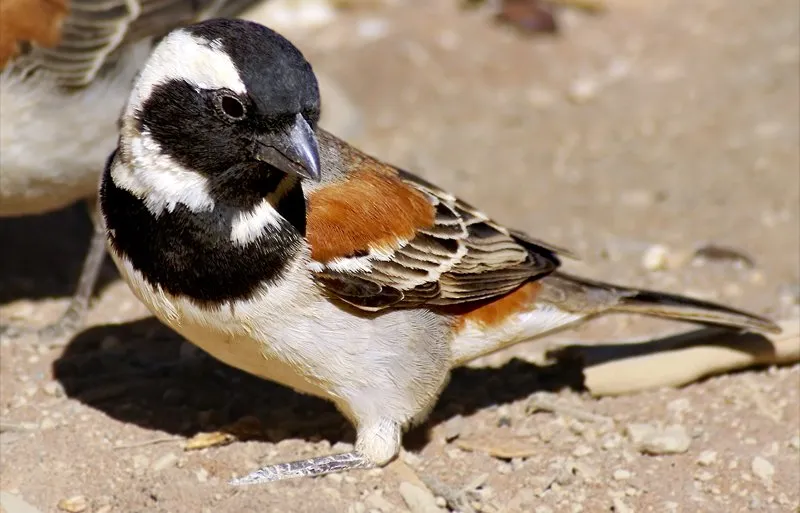
Cape Sparrow
The Cape Sparrow (Passer melanurus) is commonly found in southern Africa, especially in open grasslands and farmlands. Recognized by its bold facial markings, this sparrow thrives near human habitation but also occupies natural habitats. It feeds on seeds and insects and nests in shrubs or trees. Its adaptability has allowed it to remain relatively stable in population.
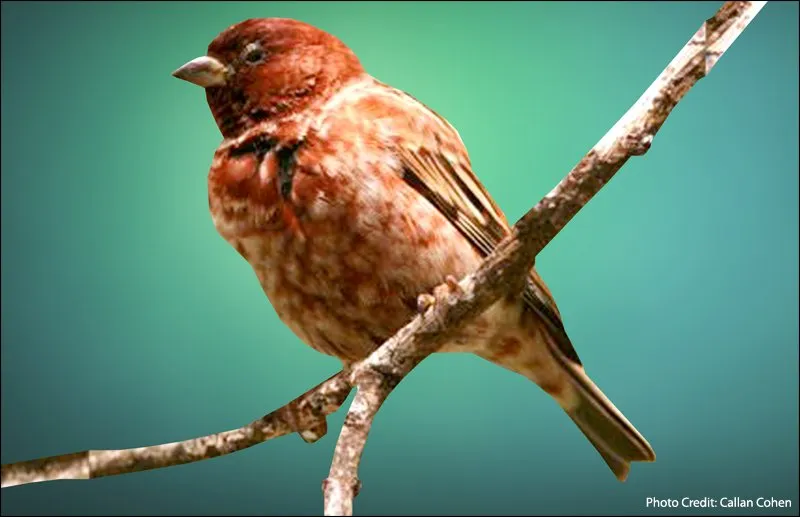
Chestnut Sparrow
The Chestnut Sparrow (Passer eminibey) is found across parts of East Africa and is easily identified by its rich chestnut plumage. It inhabits savannas and dry grasslands and often nests in colonies. Feeding mainly on seeds and small insects, it plays an important role in local ecosystems.
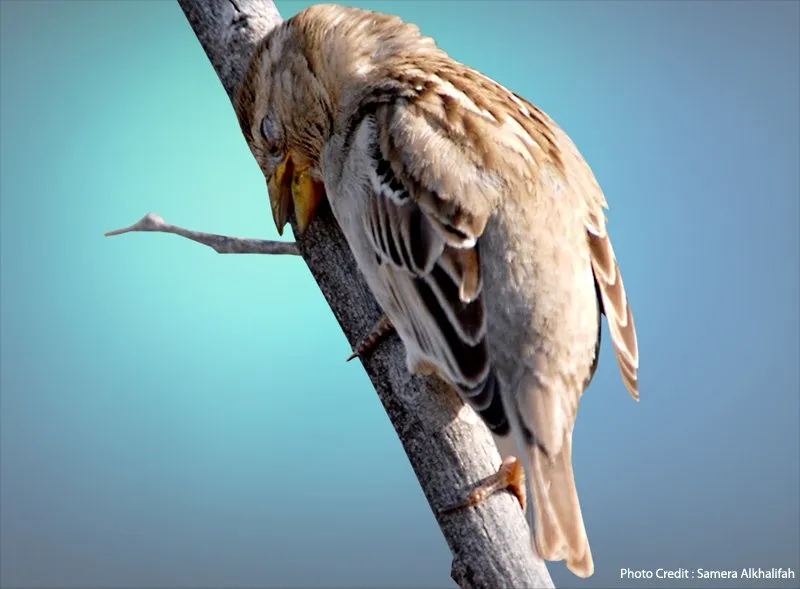
Dead Sea Sparrow
The Dead Sea Sparrow (Passer moabiticus) is native to the Middle East, especially around the Jordan Valley and nearby arid regions. It prefers dry habitats near water sources such as riverbanks and oases. This sparrow feeds on seeds and insects and is well adapted to desert-like conditions.
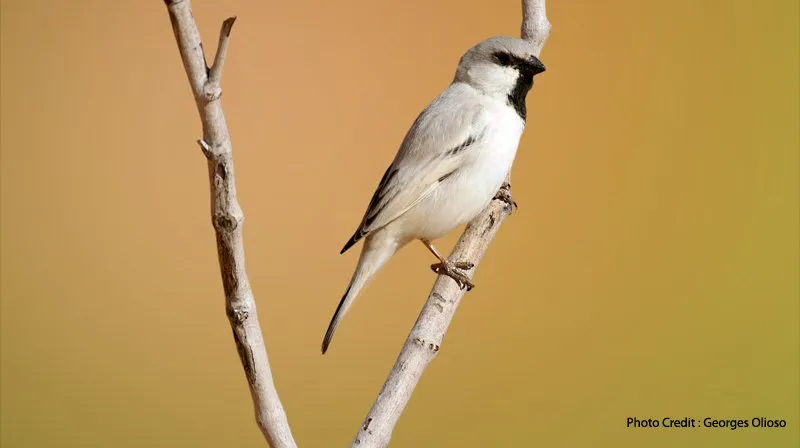
Desert Sparrow
The Desert Sparrow (Passer simplex) thrives in North African deserts and arid regions. Unlike many sparrows, it prefers remote desert environments rather than urban settings. It nests in trees and shrubs and feeds mainly on seeds. Its pale coloration helps it blend into sandy landscapes.
Great Sparrow
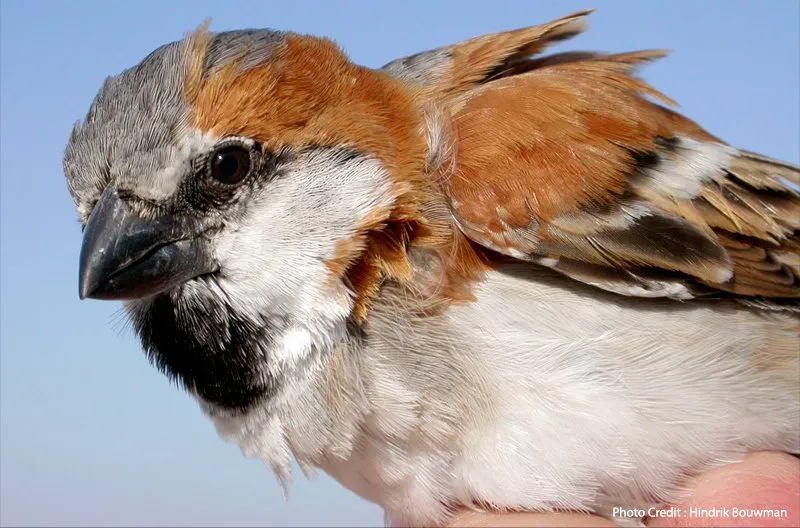
The Great Sparrow (Passer motitensis) is one of the larger sparrow species found in southern Africa. It inhabits dry savannas and open woodlands and is often seen near water sources. Feeding on seeds and insects, it contributes to maintaining ecological balance in its habitat.
House Sparrow
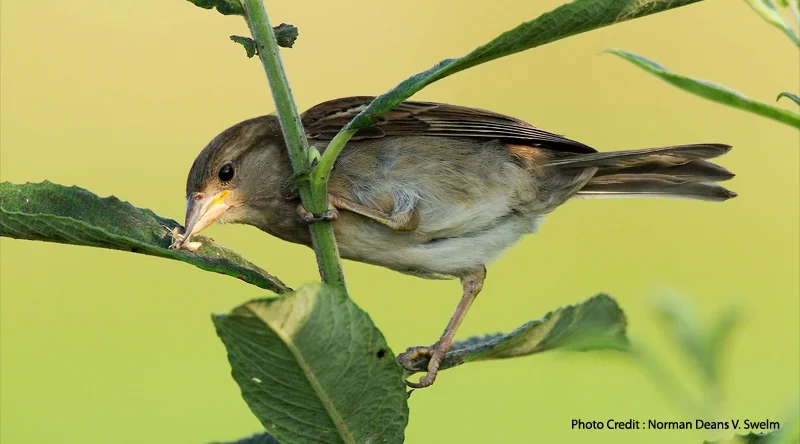
The House Sparrow (Passer domesticus) is one of the most familiar and widespread sparrow species in the world, commonly found near human settlements. Known for its adaptability, it thrives in urban and rural environments, nesting in buildings and crevices. It feeds mainly on grains, seeds, and insects. Despite its once-abundant population, it is facing decline in many regions due to habitat loss and urban changes.
Iago Sparrow
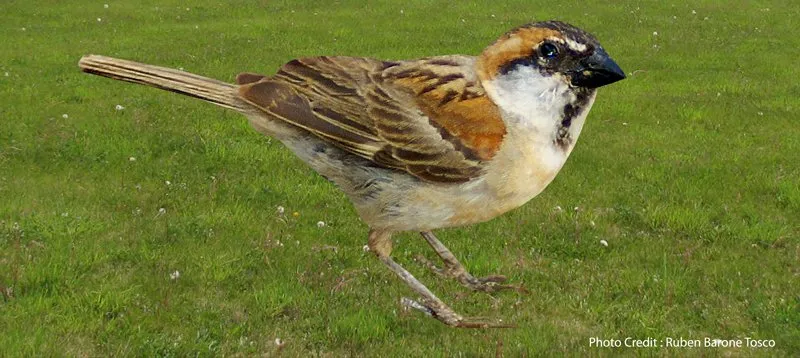
The Iago Sparrow (Passer iagoensis) is endemic to the Cape Verde Islands. It prefers dry, rocky landscapes and coastal areas. This species feeds on seeds and insects and is well adapted to island ecosystems, where it plays a vital ecological role.
Italian Sparrow
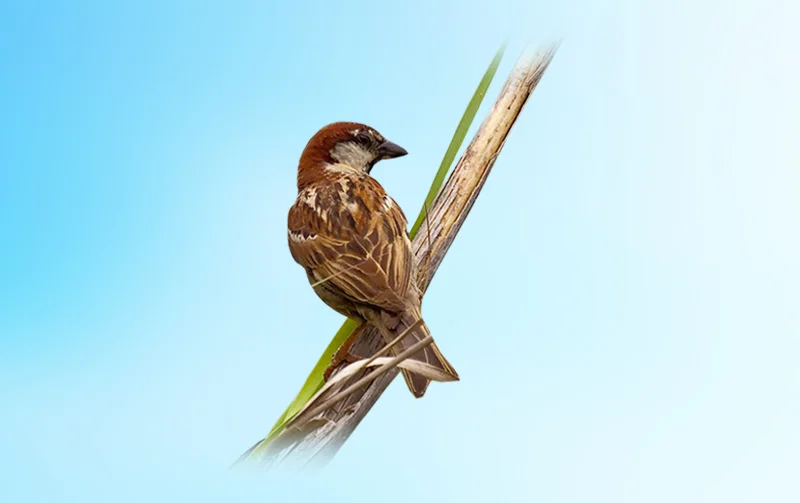
The Italian Sparrow (Passer italiae) is native to Italy and nearby regions. It is considered a hybrid species closely related to the House and Spanish Sparrows. It inhabits urban and rural environments and feeds on seeds and insects.
Kenya Sparrow
The Kenya Sparrow (Passer rufocinctus) is native to East Africa and inhabits dry savannas and open woodlands. Recognized by its distinct plumage, it feeds on seeds and insects and often nests in trees or shrubs. It is typically found in small flocks.
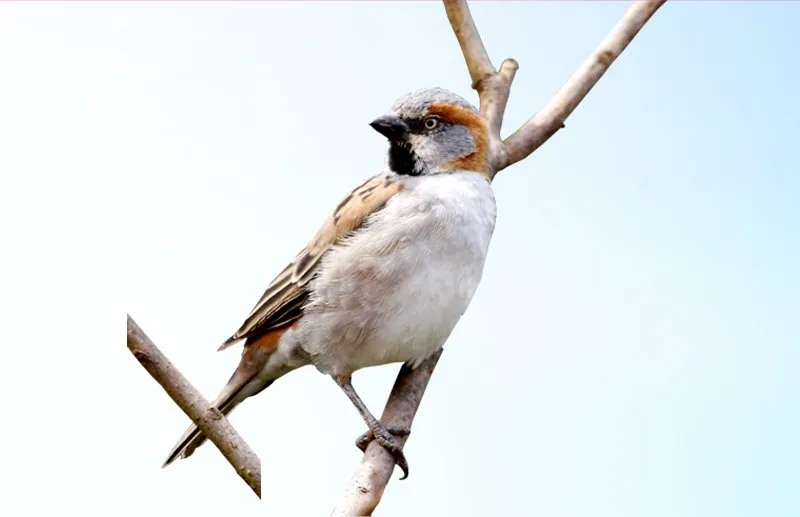
Northern Grey-headed Sparrow
The Northern Grey-headed Sparrow (Passer griseus) is widely distributed across sub-Saharan Africa. It thrives in open woodlands, towns, and agricultural areas. Feeding on seeds and insects, it is adaptable and commonly seen near human settlements.
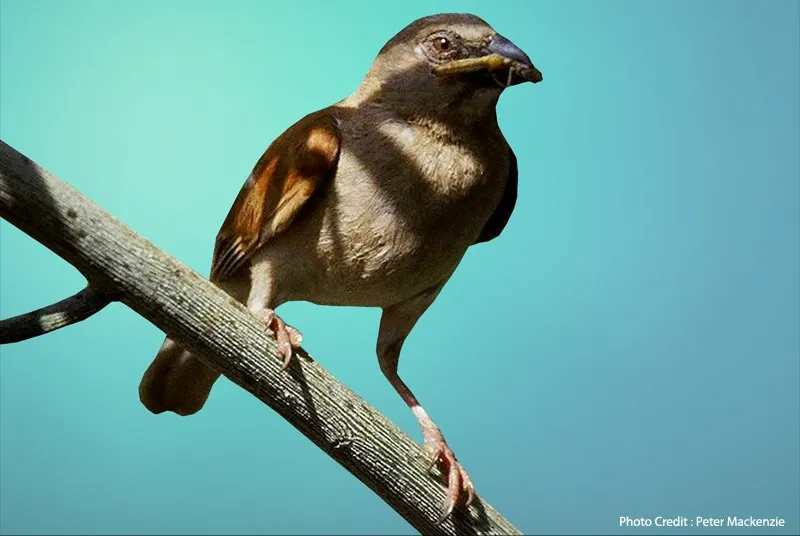
Parrot-billed Sparrow
The Parrot-billed Sparrow (Passer gongonensis) is found in East Africa and is notable for its thick, curved bill resembling that of a parrot. It inhabits dry savannas and feeds on seeds and insects. Its specialized bill allows it to crack harder seeds.
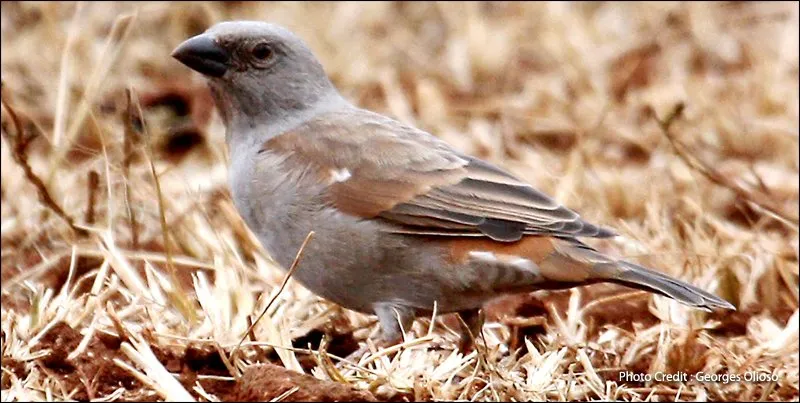
Plain-backed Sparrow
The Plain-backed Sparrow (Passer flaveolus) is native to Southeast Asia and is commonly found in agricultural fields and open grasslands. It feeds mainly on grains and insects and often forms flocks near farmlands.
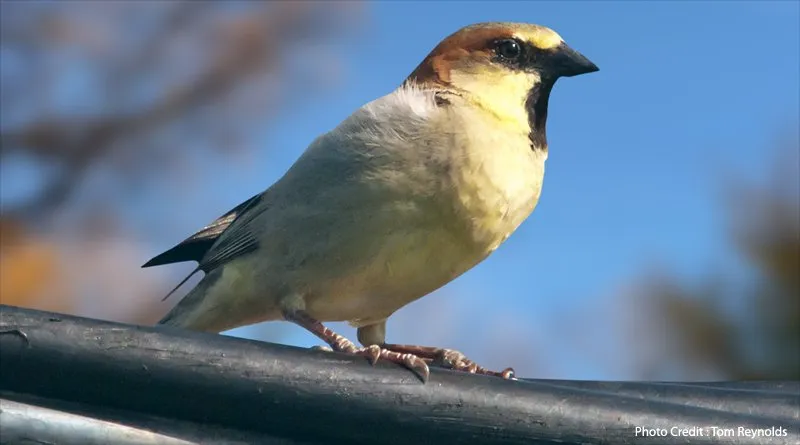
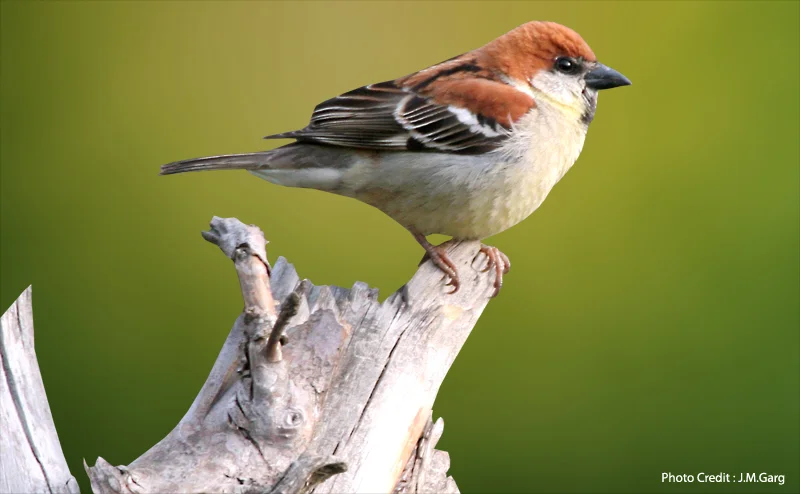
Russet Sparrow
The Russet Sparrow (Passer cinnamomeus) is found across South and East Asia. It prefers forest edges and rural landscapes rather than dense urban centers. Feeding on seeds and insects, it nests in tree cavities and occasionally in buildings.
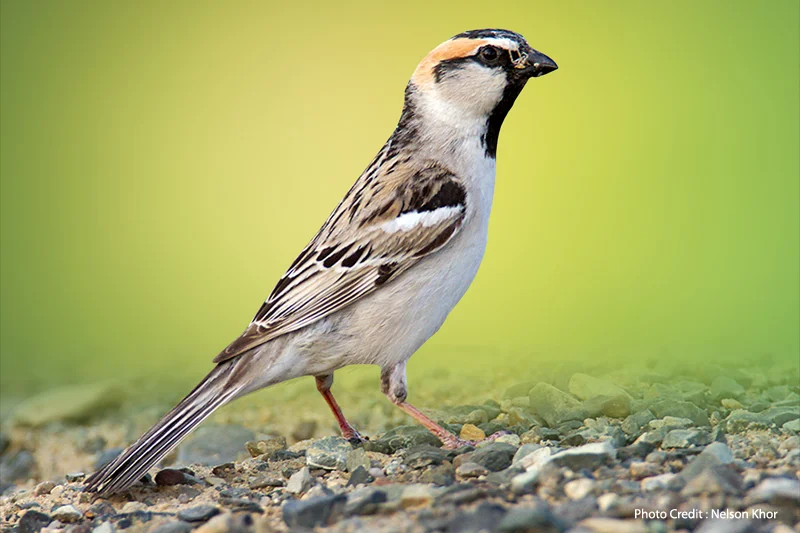
Saxaul Sparrow
The Saxaul Sparrow (Passer ammodendri) lives in Central Asian deserts and semi-arid regions. It nests in desert shrubs and trees, particularly saxaul plants. It feeds mainly on seeds and is well adapted to harsh environments.
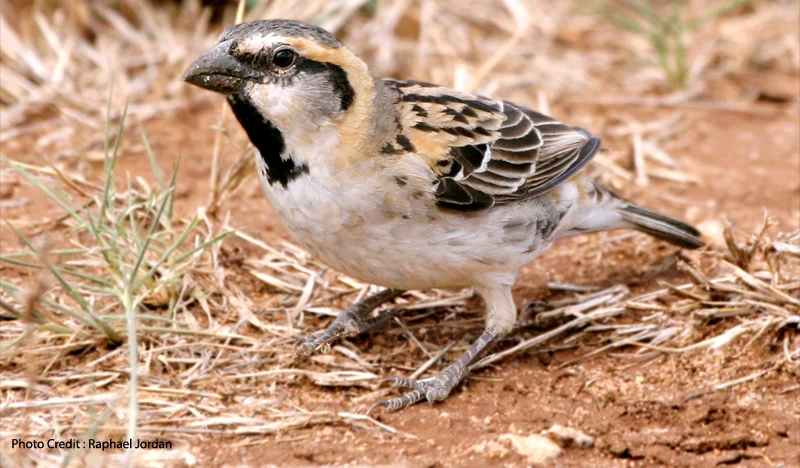
Shelley’s Sparrow
Shelley’s Sparrow (Passer shelleyi) inhabits East African grasslands and savannas. It feeds primarily on seeds and is usually seen in small groups. Its habitat preference makes it sensitive to environmental changes.
Sind Sparrow
The Sind Sparrow (Passer pyrrhonotus) is native to parts of Pakistan and northwestern India. It prefers riverine habitats and reed beds. Feeding mainly on seeds and insects, it nests in shrubs and tall grasses.
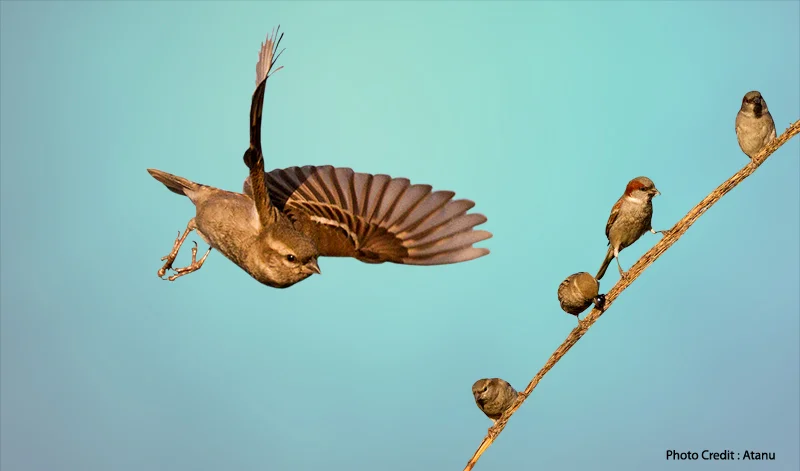
Socotra Sparrow
The Socotra Sparrow (Passer insularis) is endemic to Socotra Island. It inhabits rocky and coastal environments and feeds on seeds and insects. As an island species, it is vulnerable to habitat disturbance.
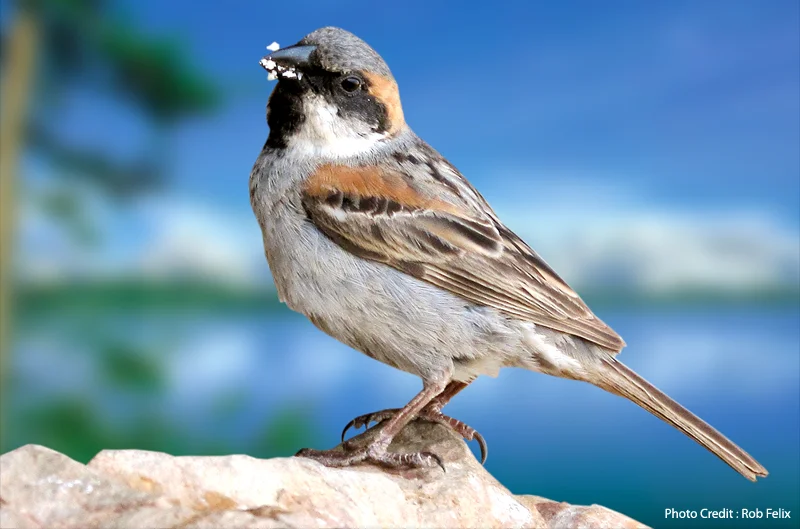
Somali Sparrow
The Somali Sparrow (Passer castanopterus) is found in the Horn of Africa. It occupies dry savannas and shrublands and feeds primarily on seeds. It is well adapted to arid conditions.
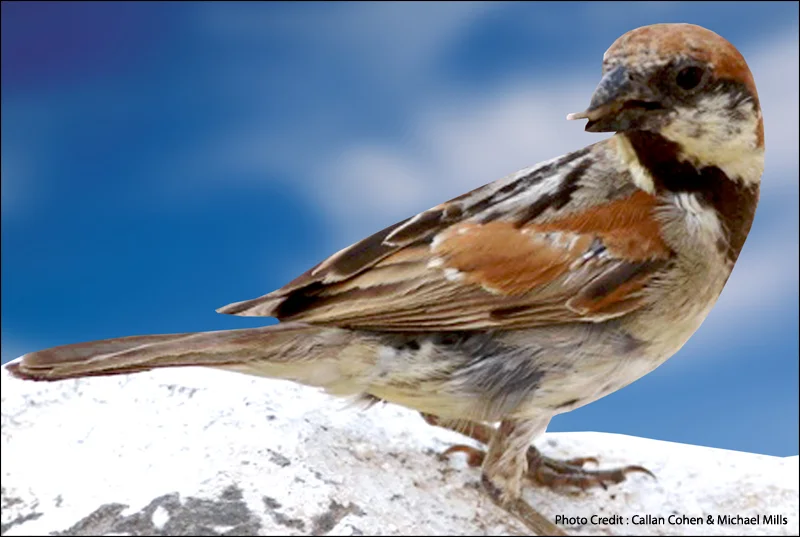
Southern Grey-headed Sparrow
The Southern Grey-headed Sparrow (Passer diffusus) is found in southern Africa. It inhabits open woodlands and savannas and is commonly seen near human settlements. Feeding on seeds and insects, it adapts well to varied habitats.
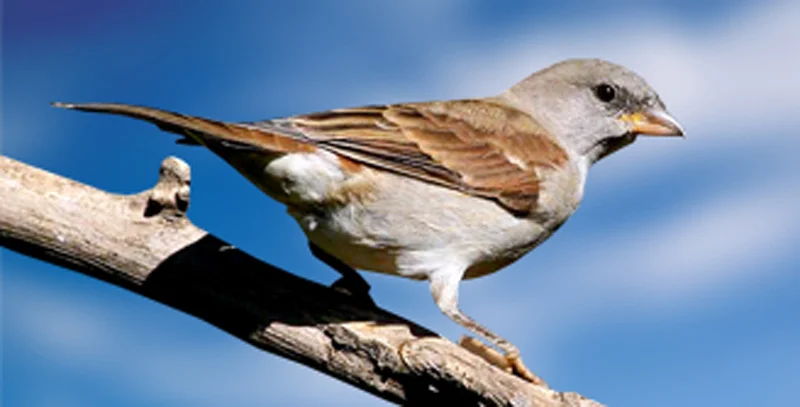
Spanish Sparrow
The Spanish Sparrow (Passer hispaniolensis) is distributed across southern Europe, North Africa, and parts of Asia. It prefers rural and agricultural areas and often nests in colonies. Feeding on grains and insects, it plays an important role in farmland ecosystems.
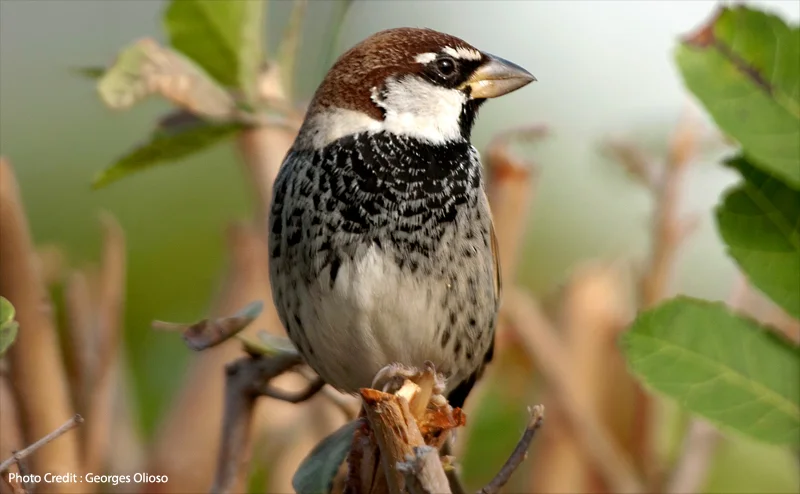
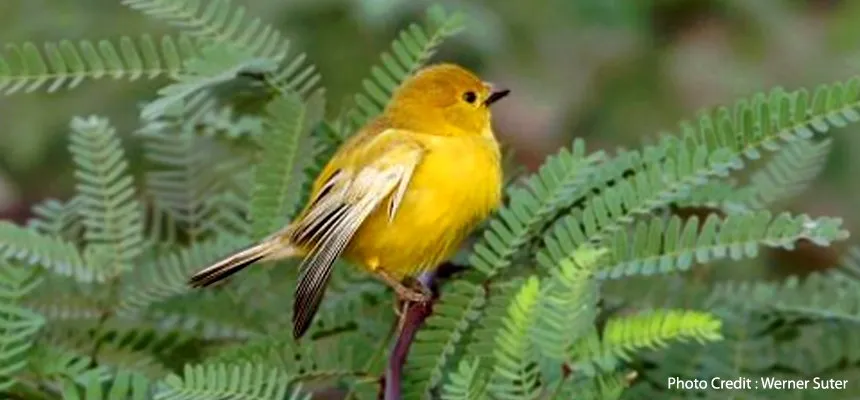
Sudan Golden Sparrow
The Sudan Golden Sparrow (Passer luteus) is native to parts of North and East Africa. Males are easily recognized by their bright yellow plumage. It inhabits dry savannas and desert margins and feeds on seeds and small insects.
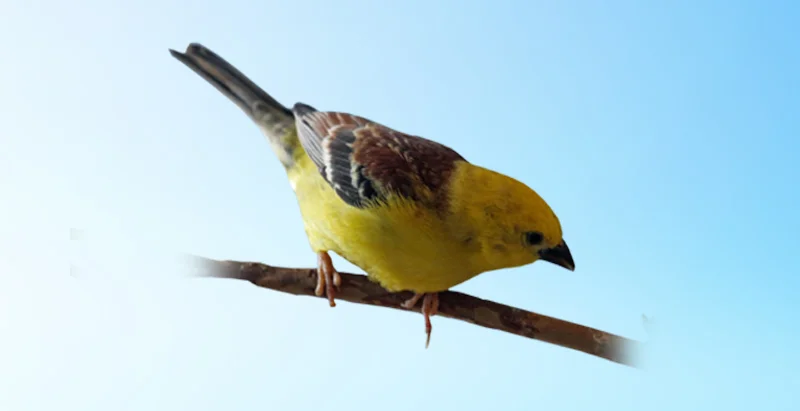
Swahili Sparrow
The Swahili Sparrow (Passer suahelicus) inhabits coastal East Africa. It prefers dry coastal savannas and shrublands. Feeding mainly on seeds, it is often seen in small flocks.
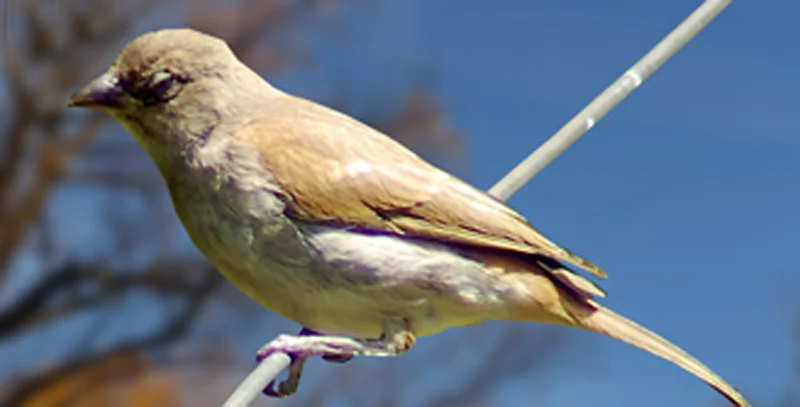
Swainson’s Sparrow
Swainson’s Sparrow (Passer swainsonii) is found in northeastern Africa. It inhabits dry grasslands and savannas and feeds primarily on seeds. It is usually observed in small groups.
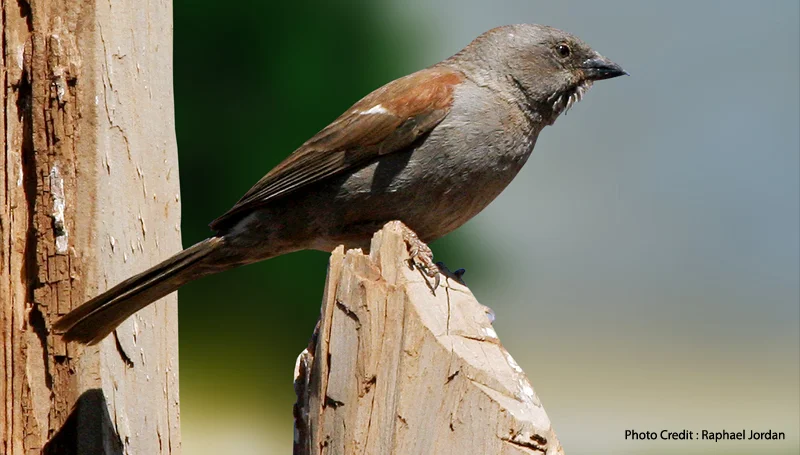
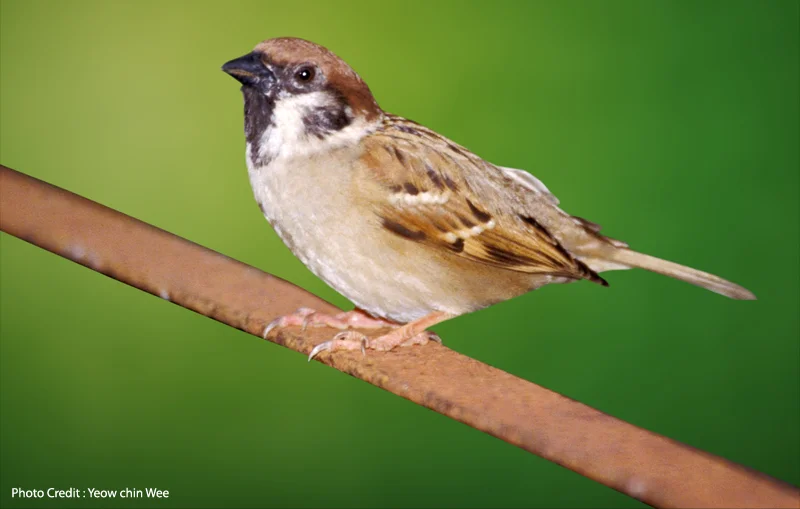
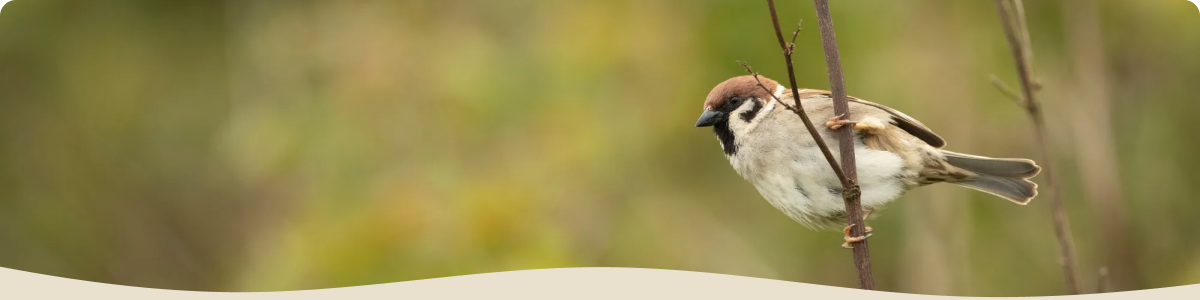
Tree Sparrow
The Eurasian Tree Sparrow (Passer montanus) is widely distributed across Europe and Asia. Unlike the House Sparrow, it prefers rural and woodland habitats. It feeds on seeds and insects and nests in tree cavities and nest boxes.