
Our Urban Companions
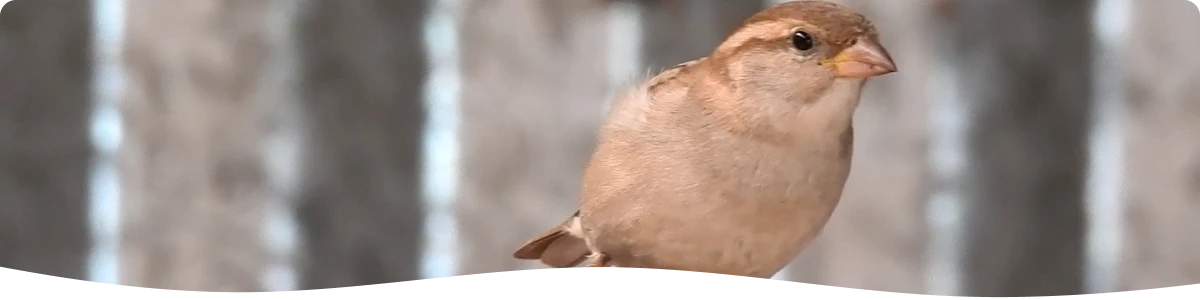
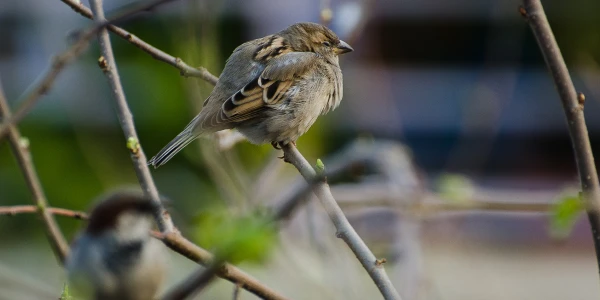
Sparrows may be small in size, but their role in our ecosystem is significant. As natural pest controllers and important contributors to biodiversity, sparrows help maintain ecological balance. However, rapid urbanization, modern construction practices, pollution, and the decline of native plants and insects have led to a noticeable drop in their populations. Conserving sparrows is not just about saving a species—it is about restoring harmony between human spaces and nature.
Why Are Sparrows Declining?
Several factors have contributed to the decline of sparrow populations:
-
Loss of nesting spaces due to glass-and-concrete buildings and sealed structures
-
Reduced food sources, especially insects needed for feeding chicks
-
Pollution and environmental stress in urban areas
-
Excessive use of pesticides, affecting insect availability
-
Changing lifestyles that reduce grain storage and open spaces
Understanding these challenges helps us take meaningful conservation steps.
How We Can Help Conserve Sparrows
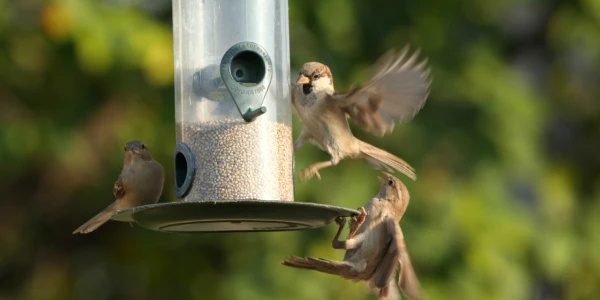
Conservation begins at home and within our communities. Simple actions can make a powerful difference:
-
Install nest boxes in balconies, gardens, and community spaces
-
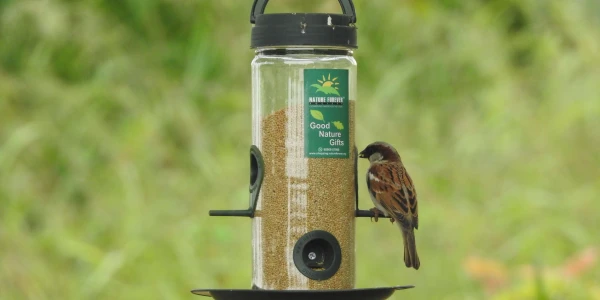
Provide clean water in shallow earthen bowls
-
Grow native plants and shrubs to attract insects and provide shelter
-
Reduce pesticide use in gardens and farms
-
Support local conservation initiatives and awareness programs
Every small effort contributes to creating a sparrow-friendly environment.
Community & Collective Action
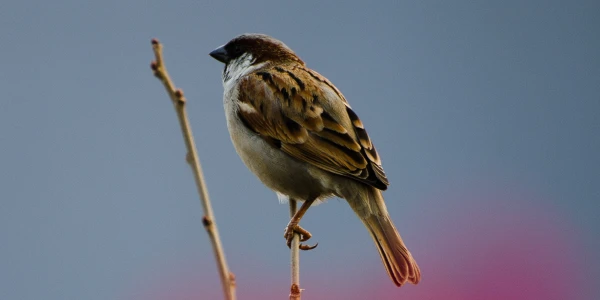
Sparrow conservation thrives when communities come together. Schools, housing societies, NGOs, and local governments can:
-
Conduct awareness workshops and nature walks
-
Organize nest box distribution drives
-
Encourage urban biodiversity planning
-
Promote eco-friendly architecture that supports bird life
By integrating bird-friendly practices into our daily lives and urban planning, we can rebuild habitats that sparrows once called home.
A Shared Responsibility
World Sparrow Day is a reminder that conservation is a shared responsibility. Protecting sparrows means protecting biodiversity, improving urban ecosystems, and fostering a deeper connection with nature. When we create spaces where sparrows can thrive, we also create healthier, more balanced environments for ourselves and future generations.
Let us work together to ensure that the gentle chirping of sparrows continues to echo through our homes, gardens, and cities.